
Female Fashion TipsStyle Guide
Hairstyles for Short Hair: 25+ Cute & Easy Styles for Women
Short hair is anything but limiting. This guide rounds up 25+ cute, easy hairstyles for short hair — pixie cuts, bobs, lobs, shags, curly cuts and quick updos — plus how to choose by face shape, texture and the effort you actually want to spend.
The short answer — hairstyles for short hair
Short hair suits most women — the trick is matching the cut to your face shape, texture and maintenance level. Quick picks: lowest effort — classic pixie or blunt bob; most flattering for round faces — long pixie or layered lob; best for thin hair — blunt or French bob; best for curls — curly bob or tapered cut; best for formal days — smoothed bob or low mini bun. Trim every 4 to 6 weeks and the cut does most of the work for you.
Why Short Hair Works
Short hair has a reputation for being a big commitment, but for most women it is the opposite: less hair to wash, dry and style, and a cut that frames the face instead of hiding it. A good short cut gives you a finished look in minutes, because the shape is built into the cut.
It is also forgiving. Short hair grows out gracefully through a series of wearable stages — pixie to bixie to bob to lob — so a cut you love in January is still working for you in June. The main upkeep is a trim every few weeks, which is a small price for hair that behaves.
25+ Hairstyles for Short Hair
Below are 30 named styles across six categories — pixies, bobs, lobs, shags, curly cuts and updos for short hair. Each card lists the styles in the family, who it suits best, and how to wear it.
1. Pixie Cuts
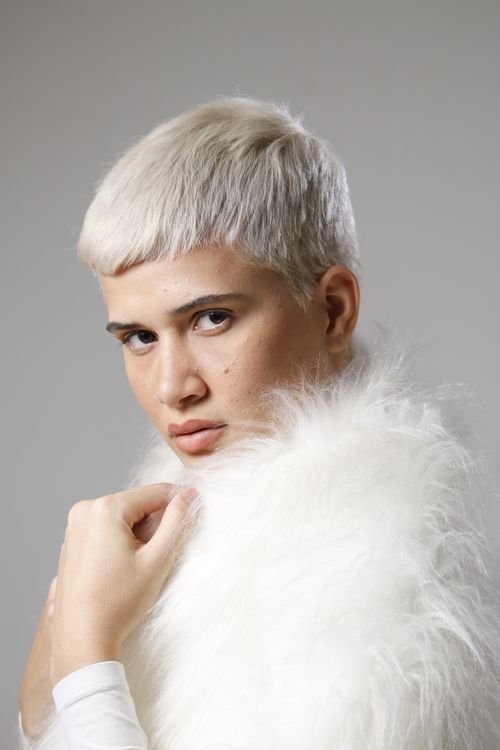
Best for: low-maintenance mornings, fine to medium hair, showing off bone structure
What it is: the shortest of the short cuts — cropped sides and back with a longer top that can be swept, spiked or smoothed. The pixie is the ultimate wash-and-go, and the fastest cut to grow out of if you change your mind.
Styles in this family
How to wear it
Work a pea-sized amount of light pomade through the top, piece out the ends with your fingers, and go. For evening, smooth it down with serum and pin one side back.
2. Bobs
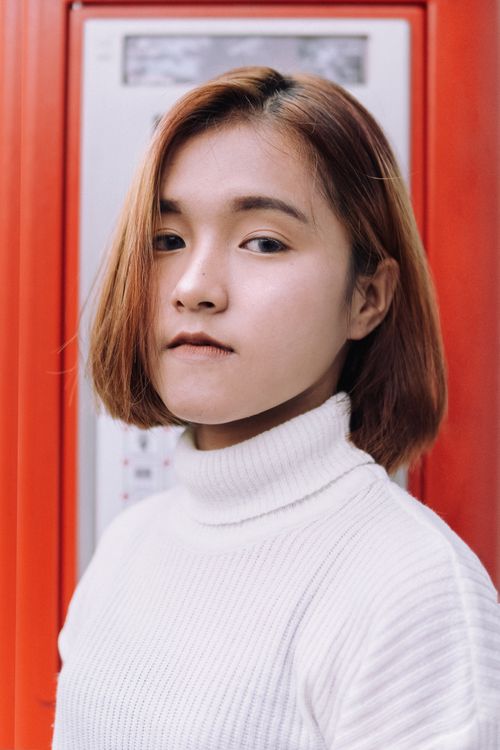
Best for: a polished everyday cut that works straight, wavy or curly
What it is: the classic short cut, ending anywhere from the cheekbones to the jawline. Bobs suit almost every face shape and hair texture, and they are the easiest short cut to dress up.
Styles in this family
How to wear it
Air-dry for a relaxed finish, or smooth with a flat iron and a drop of shine serum for a sharp, evening-ready look.
3. Lobs
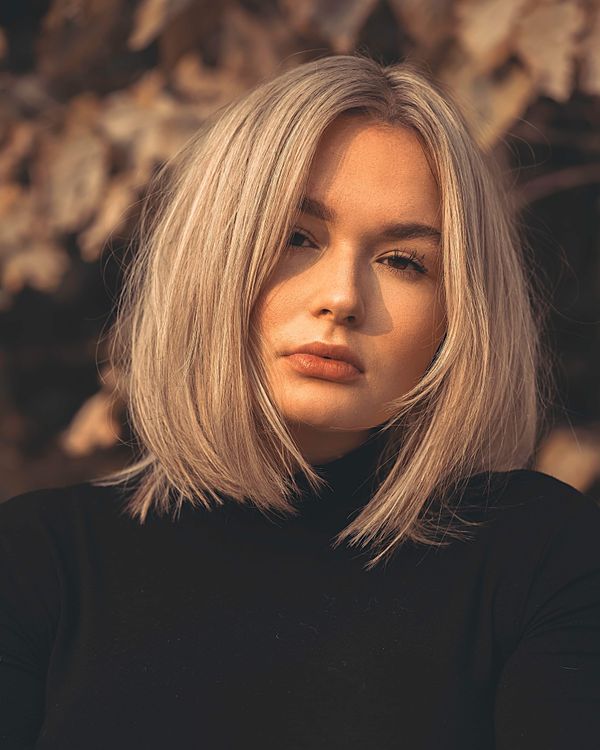
Best for: growing out a bob, first-time short hair, updo options
What it is: the lob — long bob — sits around the collarbone, long enough to tie back but short enough to count as short hair. It is the most forgiving first short cut, because it grows out into a medium cut rather than an awkward stage.
Styles in this family
How to wear it
Wrap mid-lengths around a small curling wand for soft waves, or flip the part from centre to deep side for instant volume.
4. Shags
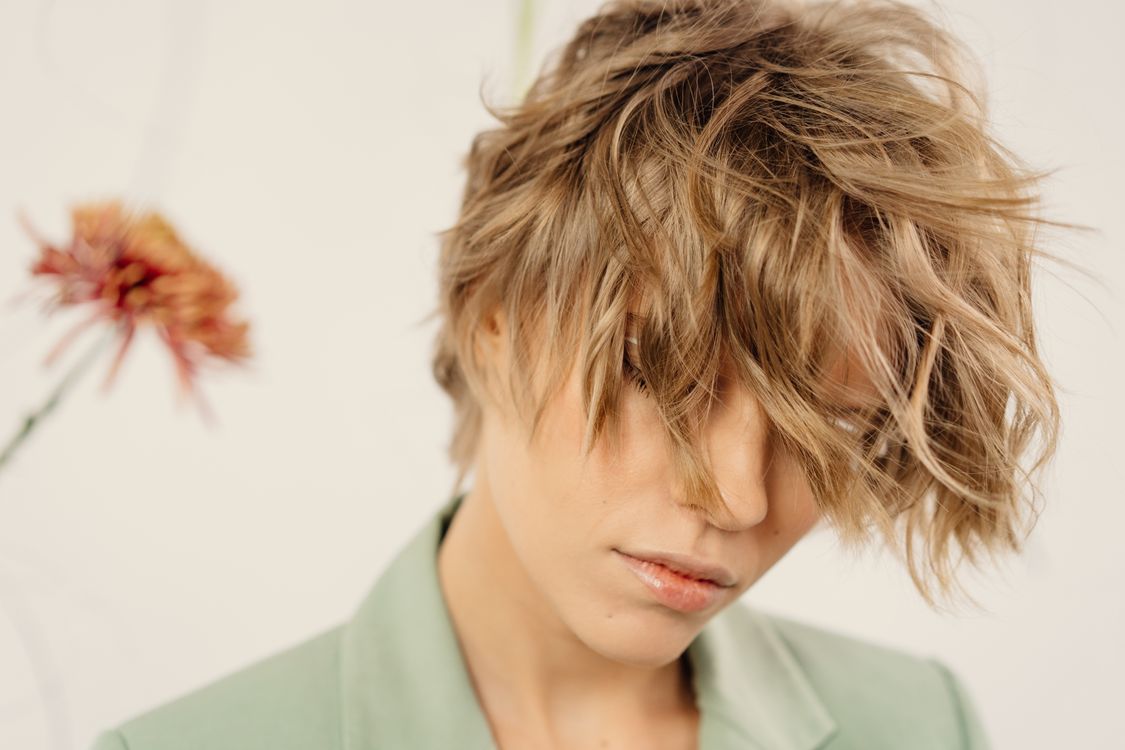
Best for: texture, movement and a lived-in finish
What it is: the modern shag is all layers — choppy, face-framing pieces with a feathered fringe and a deliberately undone finish. It is the best short cut for hair that has natural wave or texture, because the layers work with it instead of fighting it.
Styles in this family
How to wear it
Scrunch in texturizing spray on damp hair and let it air-dry — the layers do the shaping. The wolf cut is the shag’s edgier cousin, with shorter layers on top and more length at the back.
5. Curly Short Styles
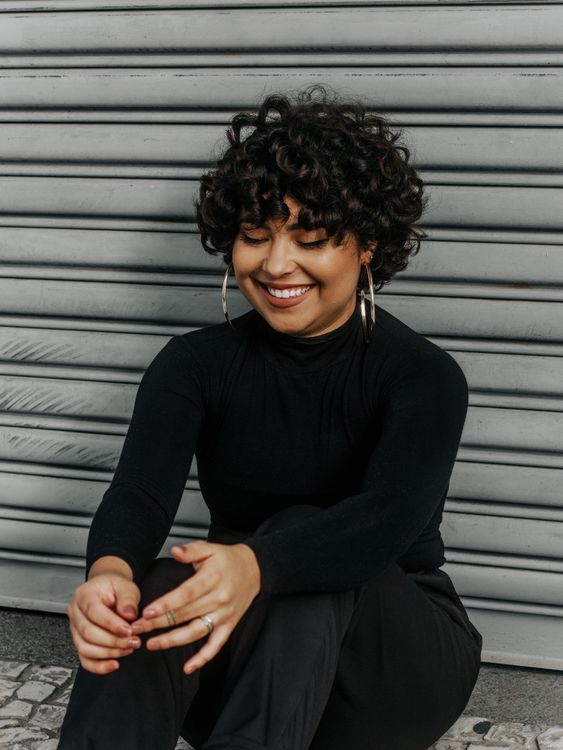
Best for: natural curls and coils that need shape, not length
What it is: short cuts designed around curl pattern rather than against it. Removing weight and shaping the curls gives bounce and definition, and drying time drops dramatically.
Styles in this family
How to wear it
Apply curl cream to soaking-wet hair, scrunch upward, and air-dry or diffuse on low. A tapered cut keeps the sides neat while the top stays full.
6. Updos for Short Hair
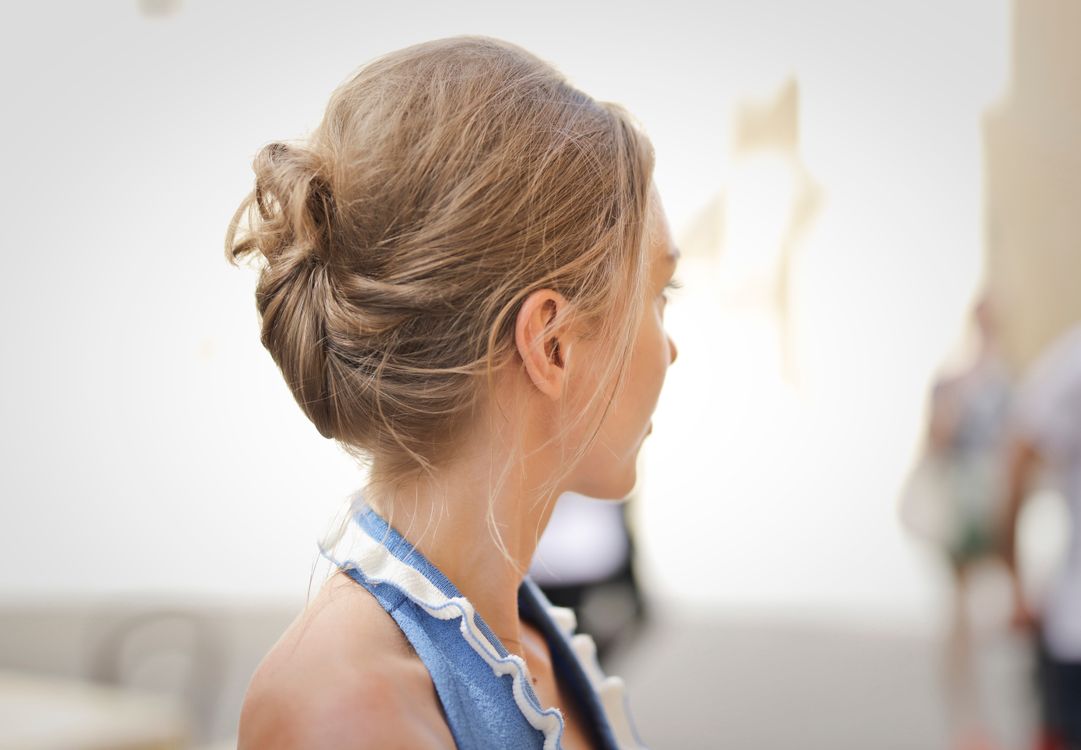
Best for: formal days, workouts and second-day hair
What it is: short hair can absolutely go up — the trick is working in sections and using pins and texture for grip instead of trying to force it all into one ponytail.
Styles in this family
How to wear it
Start with texturizing spray for grip, pin in small sections, and hide the pins under a twist or braid. A clip or headband finishes the look and holds flyaways.
How to Choose by Face Shape
Face shape is the outline of your face — its width at the forehead, cheekbones and jaw, and its length. You do not need to measure precisely: pull your hair back, look in a mirror, and note whether your face is widest at the cheeks, the forehead or the jaw, and whether it looks longer than it is wide.
Find your face shape in the table, then use the best cuts as your starting point when you talk to your stylist. Texture and maintenance matter just as much — the best cut is the one you will actually style.
| Face shape | Best cuts | What to avoid | Styling tip |
|---|---|---|---|
| Round | Long pixie, layered lob, lob with side part, asymmetrical bob | Chin-length blunt bob with a centre part; volume at the cheeks | Add height at the crown and keep length beside the face with a deep side part |
| Oval | Almost any cut: classic pixie, French bob, blunt bob, modern shag | Very heavy, straight-across fringes that hide the face | Oval faces are the most versatile — choose by texture and maintenance instead |
| Square | Layered bob, wavy lob, shag with curtain fringe, curly bob | Blunt cuts that end exactly at the jawline; hard, straight fringes | Soften the jaw with face-framing layers and soft waves around the face |
| Heart | Bob with curtain bangs, chin-length bob, lob with layers, bixie | Lots of volume at the crown with nothing at the jaw | Add width at the jaw with layers or waves that sit at chin level |
| Long | French bob, bob with curtain bangs, curly bob, shag with fringe | Very long, flat styles with no fringe; too much height on top | A fringe or curtain bangs shorten the face visually; keep volume at the sides |
Styling Tips for Short Hair
Short hair needs fewer products and tools than long hair — but the right few make all the difference. Keep it simple: one product for texture, one for definition, and one tool for shaping.
Products worth having
- Texturizing spray — adds grip and piecey texture, and makes pins and clips actually stay in.
- Light pomade or wax — defines pixie ends, smooths flyaways and pieces out bobs.
- Heat protectant — essential before a flat iron or curling wand; short hair shows damage sooner because there is less of it.
- Dry shampoo — revives roots on day two without a full wash.
- Curl cream — for curly short hair, in place of pomade.
Tools worth having
- Flat iron — smooths bobs, flips ends and tidies a fringe in seconds.
- Small curling wand — makes the soft waves that suit lobs, bobs and shags.
- Round brush — adds root volume to fine hair and shapes a bob while blow-drying.
Your 5-step everyday styling routine
-
Step 1: Start with damp hair
Style on damp, towel-dried hair — product spreads evenly and short hair dries into the shape you set.
-
Step 2: Apply one styling product
Work a small amount of texturizing spray, mousse or curl cream through your hair, from roots to ends. Less is more with short hair.
-
Step 3: Set the shape with your fingers
Scrunch curls and waves upward, finger-comb straight hair into place, or sweep the front to the side for an instant style.
-
Step 4: Add heat only where needed
Use a flat iron or small curling wand only on the sections that need it — a fringe, a flipped end, or a flat crown.
-
Step 5: Finish with definition
Pinch a tiny amount of light pomade between your fingertips and piece out the ends, then pin back any pieces that fall in your face.
Day-2 refresh: mist the roots with water, massage in a little dry shampoo, re-scrunch or re-sweep, and go. Short hair rarely needs a full re-wash every day.
Maintenance & Growing Out
The one real commitment of short hair is the trim schedule. Most short cuts need a trim every 4 to 6 weeks to hold their shape — pixies and undercuts on the shorter end, lobs on the longer end. Book the trim when you leave the salon and you will never have an awkward month.
Growing out gracefully: grow the top first while keeping the nape and sides tidy with shaping trims every 6 to 8 weeks. Headbands, clips and scarves carry you through the in-between stages, and each stage is a real haircut in its own right — pixie to bixie to bob to lob.
Colour upkeep: short hair shows regrowth sooner because there is less length to hide it, so plan colour and root touch-ups with the same 4-to-6-week rhythm if you colour your hair.
Related Guides
- Color Analysis: Find Your Best Colors — find the shades that make your haircut and your complexion glow.
- Mehndi Designs — henna patterns that pair beautifully with short hair and bare wrists.
- Dress for Your Body Type — match your outfit to your shape the way you match your cut to your face.
Frequently Asked Questions
What is the easiest short hairstyle to maintain?
The classic pixie with a little length on top is the easiest short hairstyle to maintain. It needs only a pea-sized amount of pomade, air-dries quickly, and looks polished with almost no effort.
Which short hairstyle suits a round face?
A long pixie or a layered lob suits a round face best, because both add height at the crown and keep length beside the face, which visually lengthens the face. Avoid chin-length blunt bobs with a centre part.
Can short hair be styled for formal events?
Yes, short hair works beautifully for formal events. Smooth a pixie or bob with serum, pin one side back, or build a low mini bun or twisted crown from the top layers, and finish with a clip or headband.
How do I style short hair without heat?
To style short hair without heat, start with damp hair and work in a small amount of texturizing spray, mousse or curl cream. Scrunch curls upward, finger-comb straight hair into place, and let it air-dry. A little pomade on the ends adds definition.
How often should I trim short hair?
Most short haircuts need a trim every 4 to 6 weeks to keep their shape. Pixies and undercuts grow out fastest, while lobs can stretch to 8 weeks.
Does short hair work with curly hair?
Yes, short hair works very well with curly hair — curls give short cuts natural volume and shape. A curly bob, tapered cut or defined coil bob, cut for your curl pattern, is easier to maintain than a long curly cut.
What is the best short haircut for thin hair?
A blunt bob or a French bob is the best short haircut for thin hair, because a clean, blunt edge makes the ends look thicker. A round brush while blow-drying adds root volume.
How do I grow out a pixie cut?
To grow out a pixie cut, plan for shaping trims every 6 to 8 weeks while the top grows, keep the nape tidy, and use headbands, clips and scarves through the awkward stages. The pixie grows into a bixie, then a bob, then a lob.
Can I wear a ponytail with short hair?
Yes, you can wear a ponytail with short hair once the top layers reach about chin length. Use texturizing spray for grip, gather the hair at the crown, and pin shorter pieces at the nape. A mini ponytail with accessories is the easiest version.
What products do I need for short hair?
You need only a few products for short hair: a texturizing spray for grip and texture, a light pomade or wax for definition, a heat protectant if you use hot tools, dry shampoo for day two, and curl cream if your hair is curly.
Photos: Pexels