How to Clean Silver Jewelry (Without Scratching It)
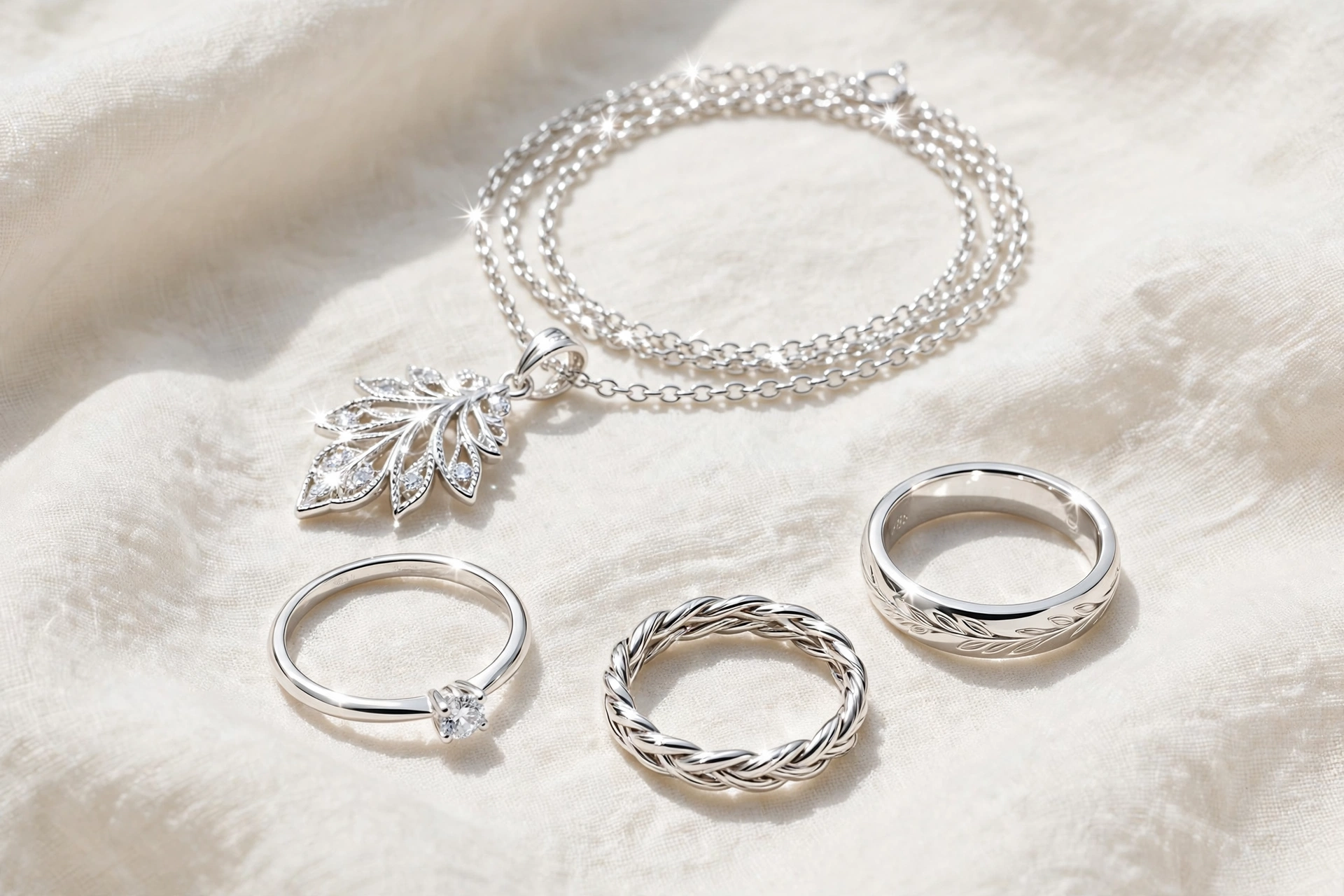
Silver jewelry goes dark on everyone. One month your ring shines, the next it looks dull, yellowish, or almost black. The good news: that darkness is almost never damage. It is tarnish, a thin surface layer, and the silver underneath is perfectly fine. Cleaned the right way, a tarnished piece can look new again in minutes.
The catch is that silver is soft. The wrong cleaning method — toothpaste, a paper towel, a harsh chemical dip — leaves fine scratches that dull the surface permanently. This guide covers the gentle methods that actually work, which method suits each type of piece, the methods to avoid, and how to store silver so it tarnishes far slower.
Why Silver Tarnishes (And Why That Is Normal)
Most silver jewelry is sterling silver: 92.5 percent pure silver mixed with 7.5 percent other metals, usually copper, to make it hard enough to wear. Pure silver on its own is too soft for jewelry.
Tarnish happens when silver reacts with sulfur compounds in the air and forms a dark layer of silver sulfide on the surface. Humidity speeds it up, as do perfume, lotion, sweat, swimming pool chlorine, and even rubber bands and latex gloves. Tarnish is not a sign of fake silver — in fact, genuine sterling silver tarnishes precisely because it is real silver. It is also not dirt, so normal washing sometimes leaves it untouched.
Before You Start: 3 Rules That Prevent Scratches
1. Soft cloth only. Use a microfiber cloth or soft cotton flannel. Never use paper towels, tissues, or rough towels — their fibers are abrasive enough to leave fine scratches on silver.
2. Start with the gentlest method. Always try soap and water first. Move to baking soda paste only if tarnish remains, and to the foil bath only for heavy tarnish. Each step up is stronger, so there is no reason to start strong.
3. Know your piece before you clean it. Solid sterling silver can handle all three methods below. Silver-plated jewelry has only a thin layer of silver over another metal, so it needs the gentlest touch — soap and water only. Jewelry set with soft or porous stones (pearls, turquoise, opal, malachite) should never go in the foil bath or an ultrasonic cleaner.
Method 1: Soap and Water (Everyday Cleaning)
This is the right method for regular cleaning and for any piece you are unsure about. It removes skin oils, lotion residue, and everyday grime.
Fill a small bowl with warm water and add a few drops of mild dish soap. Soak the piece for 5 to 10 minutes. Rub it gently with a soft cloth, using a soft toothbrush only for crevices and engraved details. Rinse under warm running water, then dry immediately and thoroughly with a microfiber cloth. Let the piece air-dry fully before you store it — trapped moisture causes tarnish.
Method 2: Baking Soda Paste (Light Tarnish)
For a piece that has gone dull or slightly yellow, a baking soda paste is enough. Mix 3 parts baking soda with 1 part water to form a thick paste. Apply it with a soft cloth, rub very gently over the tarnished areas, then rinse under warm water and dry immediately with a microfiber cloth.
Baking soda is a mild abrasive, so use a light hand and short strokes. Do not use this paste on silver-plated pieces or on pieces with an oxidized or antiqued finish — the paste will wear the plating and strip the darkened details that are meant to be there.
Method 3: Aluminum Foil Bath (Heavy Tarnish)
For a piece that has gone dark or nearly black, the foil bath is the most effective gentle method. It does not scrub the tarnish off — it reverses the chemical reaction that caused it.
Line a bowl with aluminum foil, shiny side up. Add 1 tablespoon of baking soda and 1 tablespoon of salt per cup of hot water, and stir until dissolved. Place the jewelry in the bowl so each piece touches the foil, and leave it for 1 to 3 minutes (up to 5 minutes for very heavy tarnish). You may notice a faint sulfur smell — that is normal, it is the sulfur leaving the silver and bonding to the aluminum. Remove the pieces, rinse under warm water, and dry immediately with a microfiber cloth.
Use this method only on solid sterling silver without stones. Never use it on silver-plated jewelry, oxidized or antiqued finishes, or gemstone pieces — it can strip plating, erase intentional dark detailing, and damage soft stones.
Cleaning by Piece Type
| Piece | Safe methods | Notes |
|---|---|---|
| Plain rings and bangles | Soap and water, baking soda paste, foil bath | The easiest pieces to clean; any method works. |
| Chains and necklaces | Soap soak, foil bath for solid chains | Be gentle — fine chains kink and tangle. Never yank a knotted chain. |
| Earrings and studs | Soap and water, foil bath for solid studs | Check posts and backings after cleaning; clean backings too. |
| Charm bracelets | Soap and water only if charms have stones or enamel | Foil bath only if every charm is solid silver. |
| Gemstone jewelry | Soap and water only | No foil bath, no ultrasonic cleaner for pearls, turquoise, opal, malachite, or glued settings. |
| Silver-plated jewelry | Soap and water only, very gentle | The silver layer is thin and wears away. Never use paste, foil, or dips. |
5 Methods to Avoid
Toothpaste: It is designed to polish tooth enamel, which is far harder than silver. On silver it leaves fine scratches that build up into a dull finish.
Vinegar soaks: Acidic soaks can damage the finish and are unsafe for many stones and for plated pieces.
Chemical silver dips: These are harsh, strip finishes, ruin oxidized details, and can leave a dull, lifeless surface.
Paper towels and tissues: Their wood fibers scratch silver. Always use microfiber or soft cotton.
Ultrasonic cleaners: Fine for some solid pieces, but risky for glued settings, soft stones, and plated jewelry — a loose stone or stripped plating is not worth it.
How to Store Silver So It Tarnishes Slower
Storage matters more than most people think, because tarnish comes from air and moisture. Keep each piece in its own airtight zip bag or anti-tarnish pouch, with an anti-tarnish strip or a small silica gel packet inside to absorb moisture. Store pieces separately so they cannot scratch each other, and keep them in a cool, dry place — not the bathroom, where humidity is constant.
Two habits help just as much. First, wear your silver often: the gentle friction of wearing actually slows tarnish. Second, follow last on, first off: put jewelry on after perfume, lotion, and hairspray, and take it off before showering, swimming, exercising, or cleaning. Chlorine, sweat, and cleaning chemicals are among the fastest tarnish causers.
A Simple Care Routine
After every wear: Give the piece a quick wipe with a soft cloth before putting it away. This takes ten seconds and removes the oils and moisture that start tarnish.
Monthly (if worn often): Wash with soap and water, dry thoroughly, and store in an airtight bag.
When tarnish appears: Use baking soda paste for light tarnish or the foil bath for heavy tarnish — on solid sterling pieces only.
Frequently Asked Questions
Why does my silver jewelry turn black?
Silver reacts with sulfur compounds in the air and forms a dark layer called silver sulfide on the surface. This is called tarnish. It is normal, it happens to genuine sterling silver, and it is only on the surface — the silver underneath is unchanged.
Can I use toothpaste to clean silver jewelry?
No. Toothpaste is abrasive and leaves fine scratches on soft silver. Those scratches accumulate and dull the finish permanently. Use soap and water or a baking soda paste instead.
Is the aluminum foil and baking soda method safe?
Yes, for solid sterling silver without stones. The foil bath reverses tarnish chemically instead of scrubbing it off. Do not use it on silver-plated jewelry, oxidized or antiqued finishes, or pieces with soft or porous stones.
How often should I clean silver jewelry?
Wipe it with a soft cloth after every wear. Wash it with soap and water about once a month if you wear it often. Treat tarnish whenever it appears — light tarnish with baking soda paste, heavy tarnish with the foil bath.
Can I shower or swim with silver jewelry on?
It is best not to. Chlorine, soap residue, and constant moisture all speed up tarnish, and shampoo and body wash leave films that dull the shine. Take silver off before showering, swimming, or exercising.
How do I clean silver-plated jewelry?
Use soap and water only, with a very gentle hand, and dry it immediately. The silver layer on plated jewelry is thin and wears away with baking soda paste, foil baths, or chemical dips, exposing the metal underneath.
Why does silver jewelry turn my skin green or black?
Sterling silver contains copper, which can react with skin acidity, sweat, lotions, and humidity and leave a harmless green or dark mark. It is not an allergy and it does not mean the jewelry is fake. Clean the piece and wash the skin, and the mark fades.
How do I store silver jewelry so it stays shiny?
Keep each piece in its own airtight bag or anti-tarnish pouch with an anti-tarnish strip or silica gel packet, in a cool, dry place away from humidity. Wearing silver often also helps, because gentle friction slows tarnish.
Want your jewelry to sit well with the rest of your outfit? Read our guide to dressing for your body type. And to keep the rest of your wardrobe in shape, learn how to sew a button that actually stays on and how to clean makeup brushes without ruining them. For more ideas, visit the homepage.