
How to Clean Makeup Brushes (Without Ruining Them)
What You Need
You need very little: a gentle soap or baby shampoo, lukewarm water, a clean towel, and optionally a drop of olive oil for stubborn foundation stuck deep in dense brushes. Do not use dish soap or harsh shampoo. They strip natural bristles and dry out synthetic ones, which makes brushes scratchy and short-lived. Baby shampoo is cheap, gentle, and works for both natural and synthetic bristles.
Step 1: Rinse Bristles Down
Hold each brush with the bristles pointing down under lukewarm running water. Wet only the bristles. Water that runs up into the handle loosens the glue that holds the bristles, which is the main reason brushes shed. Never soak a brush standing in a cup of water. A quick rinse under the tap is all you need.
Step 2: Soap and Swirl
Put a small drop of soap in your palm or on a silicone cleaning mat. Swirl the bristles gently in small circles. You will see foundation, powder, and color lifting out. For dense foundation brushes, add one tiny drop of olive oil to the soap first. Oil dissolves long-wear makeup that soap alone leaves behind. Keep the swirling gentle. Scrubbing hard bends bristles out of shape and breaks them.
Step 3: Rinse Until the Water Runs Clear
Rinse again with the bristles pointing down, swirling lightly under the water, until no color comes out and the water runs clear. This usually takes 30 seconds per brush. If color still comes out after a minute, repeat Step 2 once. Rinsing twice beats scrubbing harder, which only damages the brush.
Step 4: Reshape and Squeeze
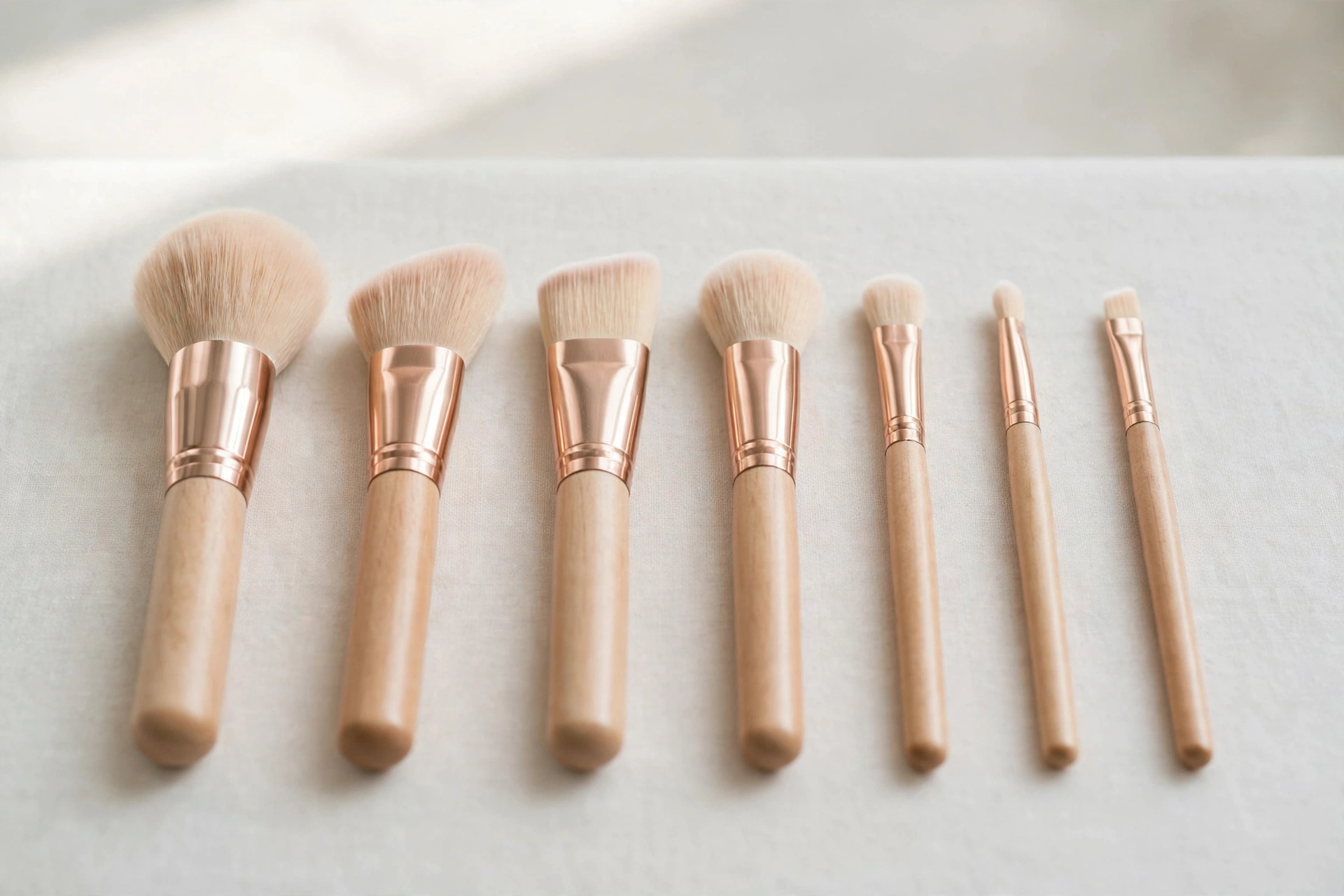
Gently squeeze the water out with a clean towel, pressing from the base of the bristles toward the tips. Then reshape the brush with your fingers back to its original form. A flat foundation brush should lie flat, a powder brush should be round and full, and an angled brush should keep its slant. Reshaping while wet is what stops brushes drying splayed and scratchy.
Step 5: Dry Flat Overnight
Lay the brushes flat on a towel with the bristles hanging just over the edge, so air reaches all sides. Leave them overnight. Do not dry them standing upright in a cup. Water runs down into the handle, loosens the glue, and grows mildew inside the ferrule. Do not use a hair dryer or direct heat either. Heat warps synthetic bristles and cracks natural ones. Room temperature and patience give you brushes that last years.
How Often to Wash Each Brush
| Brush Type | How Often | Why |
|---|---|---|
| Foundation and concealer | Every week | Liquid products breed bacteria fast and apply unevenly when dirty |
| Powder and blush | Every 2 weeks | Dry products build up slower but still dull your finish |
| Eyeshadow | Every week if used daily | Color transfers between shades and muddies your eye look |
| Eyeliner and lip | After every few uses | These sit closest to eyes and lips, where hygiene matters most |
| Beauty sponges | After every use | Sponges hold moisture and product, so they go bad fastest |
5 Mistakes That Ruin Brushes
1. Hot water. Hot water melts the glue and warps bristles. Lukewarm is always right.
2. Soaking the handle. Standing brushes in water lets moisture into the ferrule, where it loosens glue and grows mildew. Wet bristles only.
3. Drying upright. Water runs down into the handle. Always dry flat, bristles over the edge.
4. Heat drying. Hair dryers and radiators warp synthetic fibers and crack natural hair. Air dry overnight.
5. Skipping washes. Dirty brushes do not just apply makeup badly. They carry oil and bacteria onto your skin, which is a common cause of breakouts along the cheeks and jaw.
Quick Clean vs Deep Clean
A full wash every week or two is the standard, but a quick clean between washes keeps colors true. Spray a brush cleaner or a little micellar water onto a tissue and swirl the brush until no color transfers. This takes 30 seconds and is perfect when switching from a dark eyeshadow to a light one. Quick cleans never replace washing, because they do not remove oil and bacteria deep in the bristles. Think of them as a refresh, not a wash.
When to Replace a Brush
Replace a brush when it sheds constantly even after washing, when the bristles stay splayed or bent after reshaping, when it feels scratchy on your skin, or when a smell survives a full wash. A good brush lasts 1 to 3 years with regular washing. Cheap brushes wear out sooner, which is normal. Replace the worst offenders first, usually the foundation brush, since it does the heaviest work.
Small Habits, Better Results
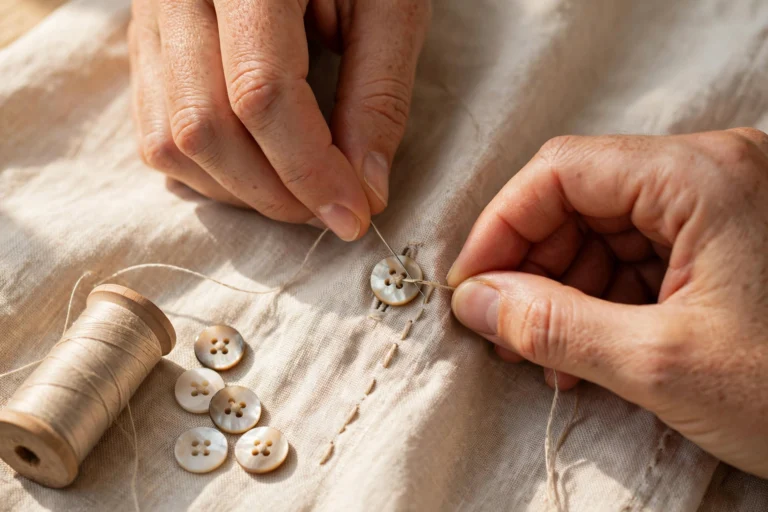
Clean tools are part of looking polished, just like clothes that fit right. If you are building a wardrobe that works for you, start with our guide to dressing for your body type, and for another five-minute fix, see how to sew a button that actually stays on. Back to the homepage for more guides.
Frequently Asked Questions
How often should I clean my makeup brushes?
Foundation and concealer brushes every week, powder and blush brushes every 2 weeks, and beauty sponges after every use. Brushes used near the eyes and lips need washing more often for hygiene.
Can I use regular shampoo to clean makeup brushes?
Baby shampoo works well because it is gentle. Regular shampoo can work in a pinch, but harsh or clarifying shampoos strip natural bristles. Avoid dish soap, which is far too strong for brushes.
Why do my brushes shed after washing?
Almost always water got into the handle. Rinse bristles only, never soak, and always dry flat with bristles over the edge so water runs away from the glue, not into it.
How long do makeup brushes take to dry?
Usually overnight, about 8 to 12 hours. Dense foundation brushes take longest. Wash in the evening so they are ready by morning, and never use a brush that is still damp inside.
Can I use a hair dryer on my brushes?
No. Heat warps synthetic bristles and cracks natural hair. Air drying at room temperature is slower but keeps brushes in shape for years.
What is the fastest way to clean brushes between uses?
Spray brush cleaner or micellar water onto a tissue and swirl the brush until no color transfers. This takes about 30 seconds and stops colors mixing, but it does not replace a full wash.
Do dirty brushes really cause breakouts?
Yes, they are a common contributor. Old product, oil, and bacteria build up in bristles and transfer to your skin, especially along the cheeks and jaw where foundation brushes work.
When should I throw a makeup brush away?
When it sheds constantly, stays splayed after reshaping, feels scratchy, or keeps a smell after a full wash. Most brushes last 1 to 3 years with regular washing.
2 Comments
Comments are closed.